Creating an Enabling Home for Someone Living with Dementia
Living independently for longer
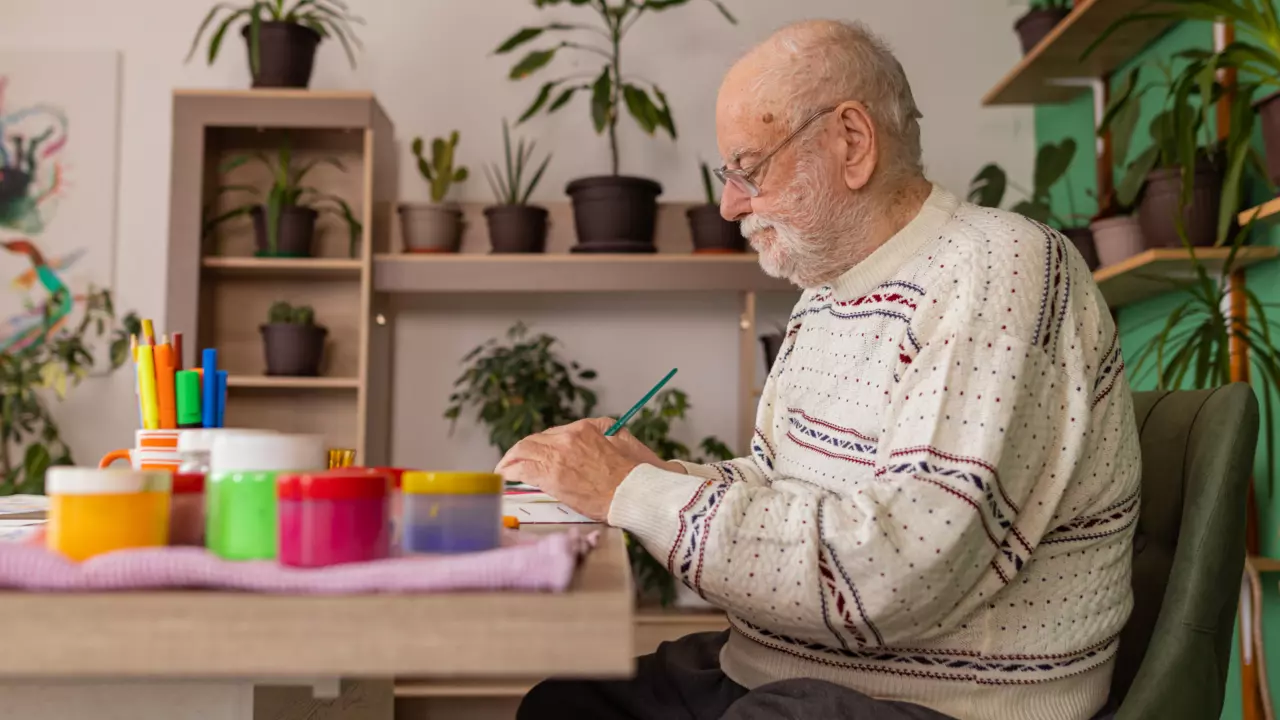
Given the choice, most of us would prefer to stay living in our own homes for as long as possible. As well as being comforting, remaining in familiar surroundings can help someone living with dementia to live independently for longer.
This is because knowing where items are stored and how appliances work makes everyday tasks much easier. In this way, the familiarity of our own homes helps us to carry out daily tasks almost automatically.
Ensuring safety at home
Some changes or adaptations may be needed around the home to improve safety for the person living with dementia. This might include removing trip hazards such as loose rugs or wires. It could also involve adding safety features such as gas shutoff valves, telecare technology or handrails.
Vision can be affected with some forms of dementia. It is important to ensure adequate lighting and to avoid decor with fussy patterns that could be visually confusing. Having decor and furniture in contrasting tones can also help.
This guide contains many more ideas for creating an enabling home for someone living with dementia. It also includes information on where to get advice about which changes to make, and the financial support that may be available.
Download the Creating an Enabling Home guide here
pdf | 13.4MB
Tips for Creating an Enabling Home
There are some general changes around the house that can help someone living with dementia to continue their day-to-day life as independently as possible.
Around the Home
- Install carbon monoxide detectors and linked smoke and heat alarms, in line with current Scottish legislation. Check at least once a month that the alarms are working. In some areas, it is possible to install alarms that trigger an alert to a call centre or a nominated person, such as a carer, if the person living with dementia would not recognise and act when alarms sound.
- Consider changing patterned curtains and carpets to plainer fabrics. Dementia can affect how some people see things. Patterns on curtains, cushions or wallpaper may be confusing. If you are changing the carpets or wallpaper, consider replacing them with a plainer design. For any changes that you make, respect the views of the person living with dementia and consult them first.
- Use colour coded keys and locks. You can buy different coloured tabs to put on keys and paint the lock with the colour to match the key.
- Purchase dementia-friendly clocks. These include features such as displaying the day of the week, date and time, and indicating whether it is day or night.
- Consider installing dementia-friendly telephones. Telephones are an easy and familiar way to stay in touch. Dementia-friendly telephones have larger buttons for those with visual impairment and can include pictures of friends and family next to automatic dial buttons.
Lighting
As we age, our eyes need more light in order to see well. Good lighting is even more important for people living with dementia, because their ability to understand what they see can be affected. Good lighting and access to natural light can help people with dementia to stay more alert during the daytime and to sleep better at night. For a home to be more enabling for someone living with dementia:
- Let in as much natural light as possible. Pull back curtains and make sure windows are clean and not blocked by anything outside, such as trees or bushes.
- Minimise shadows, as some people living with dementia resist going near dark areas.
- Avoid spotlights and reduce glare; light on shiny floors can be mistaken for a puddle.
- Use coloured or reflective tape to highlight light switches so they are easy to find.
Assistive Technology
Some people with dementia find assistive technology useful in their home. Assistive technology can help people with daily tasks they are starting to find more difficult. Some examples are:
- Item locators that can be attached to items that are easily lost, such as keys. The locator makes a noise when the remote control button is pressed.
- Reminder aids that can play messages at a certain time, such as a reminder to lock the door at night or to take medications.
- Talking watches that speak the time and date at the press of a button.
- Personal alarms that allow someone to call for help if they have fallen or are unwell.
- Gas, smoke and flood detectors that can automatically alert staff at a response centre or a family member if there is a problem. There are also some gas detectors that can switch off the gas supply when they detect a problem.
- A range of computer programmes designed to help with daily life are available to download onto your smartphone or tablet.
More Information on Assistive Technology
Visit 'Meet Adam' websiteAdvice for Carers, Friends and Family Members
There is a lot you can do to help someone living with dementia to remain safely in their own home for longer. Before making any changes, it is worth considering the following points:
- Not all changes will work for everyone - dementia can affect people in different ways. Any changes you make should consider their individual situation, including any other long-term conditions or disabilities.
- Involve the person living with dementia as much as possible. Try to work together to look at what would help. Aim to find changes that support them to do the things they want to do, rather than restrict them just to keep them safe. Ask them about their likes and dislikes when considering changes, for example which colours they prefer.
- Don't make unnecessary changes. A person living with dementia may struggle to learn something new or to adapt to changes in their home, especially when things are moved or replaced with something unfamiliar. If possible, keep things in the same places or if you are buying new furniture and equipment, try to find items that are similar in shape and colour to the item you are replacing.
- Plan for the future. Where you can, agree any changes sooner rather than later. This will give the person living with dementia time to adjust and to get used to them. It is possible that in the future they may forget that they have agreed to any changes, or find it more difficult to adapt to change.
- Seek professional advice. The person you care for is entitled to a care needs assessment from your council’s social work department. This can give you advice about changes to make. Your council may also provide financial help with the cost of making some of these changes. If you have a Dementia Link Worker, you can also speak to them about what they recommend in the home.
Advice about Care Needs Assessments
See our guide Caring for Someone With Early-Stage Dementia for more information or contact Care Information Scotland on 0800 011 3200.
Keeping Warm in the Winter
People living with dementia may forget to keep warm during the winter, sitting in cold rooms or not wearing enough layers of clothing. Being cold for any length of time can increase the risk of colds, flu and hypothermia, heart attacks and stroke.
Homes should be kept at an appropriate temperature throughout the year to prevent them from getting too hot or too cold. During the winter, rooms used during the day should be kept at least 23°C.
Bedroom windows should be closed at night as cold air can increase the risk of chest infections. The person living with dementia should layer clothing to maintain body heat and avoid sitting down for too long if possible.
There are benefits, grants and schemes available to make your home more energy efficient. Age Scotland offer free energy advice workshops, which cover a range of topics including energy efficiency, accessing benefits and financial support which could help with energy costs, and looking at future options for heating.
What financial support may be available to adapt your home?
Councils have a duty to provide assistance to make a house suitable for a disabled person. They will provide a grant for any changes they consider to be essential, covering at least 80% of the cost of the work. Grants can be given for adapations that enable access to a toilet, a bath or shower, a handwash basin or a sink. This could involve adding handrails, installing a level access shower or lowering worktops.
If the person with dementia or someone in their household receives any of the following benefits, they will get a 100% grant, meeting all the costs of the work:
- Pension Credit (Guarantee Credit)
- Universal Credit
If you rent your home, you will need the landlord’s consent before beginning any work. A landlord can withhold consent, but must have a good reason to do so. A landlord can set certain conditions when giving consent, such as asking to comment on plans or requiring that adaptations are removed when the tenancy ends.
If common areas of a building need to be adapted, such as shared stairs in a tenement, or adding a ramp outside a shared doorway, a majority of the property owners need to consent. Once you have the consent you need to make the adaptation, you can apply to the council for a grant in the same way a homeowner would.
Our Care and Support at Home guides provide more information about arranging adaptations and support from carers. If living at home puts you at risk, even with support, you may need to consider the longer-term option of a care home. See our Care Home guides for more information.
Dementia resources
Find out more about Age Scotland's work and services to support people affected by dementia: