Driving in Later Life
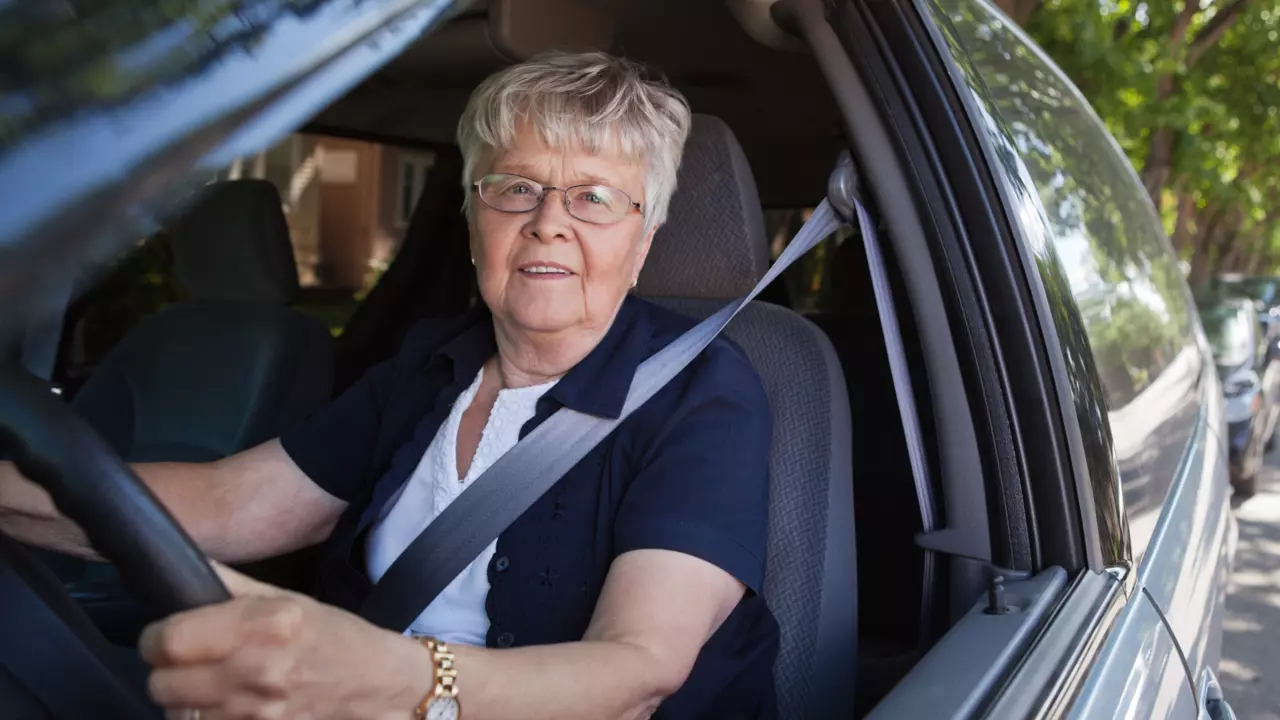
Driving as you get older
Getting older doesn’t necessarily mean you have to stop driving. Older drivers tend to have many years of experience and can often be quite safe on the roads.
However, as we get older there is a higher chance of us developing certain medical conditions that may affect our fitness to drive. And there may come a point when even decades of experience are not enough to keep us driving safely.
Staying safe on the road
This guide looks at the considerations important for older drivers. It discusses adaptations that may help you stay on the road for longer, and how to keep on top of updates to the highway code.
It also explains your legal obligations around driving, including declaring medical conditions and renewing your licence from the age of 70.
If you need to stop driving
It can be difficult to recognise whether it may be time to stop driving. Some people begin to feel differently behind the wheel, but others feel no differently at all. This guide discusses signs that it may be time to think about your safety on the road.
If you do need to stop driving, it is important for your well-being that you can remain mobile and connected to your community. The final section of this guide looks at alternative ways to get around, options for discounted travel and how to get assistance using public transport.
Download the Driving in Later Life guide
pdf | 1.51MB