The surprising impact of climate change on older people

This health and wellbeing research café blog uncovers the surprising reasons why climate change can effect healthy ageing and looks at how older people can support their own health while reducing harm to the planet.
Climate Change and Healthy Ageing: Why It Matters and What We Can Do
In Scotland we are already experiencing climate change, with research showing that we can expect the average temperature to increase across all seasons, warmer and drier summers, milder and wetter winters, an increase in heavy rainfall events, rising sea levels and more variable and unpredictable weather. As climate change continues to reshape how we live, age, and stay healthy it is important to better understand how this will affect older people across the country.
 Why are older people especially vulnerable?
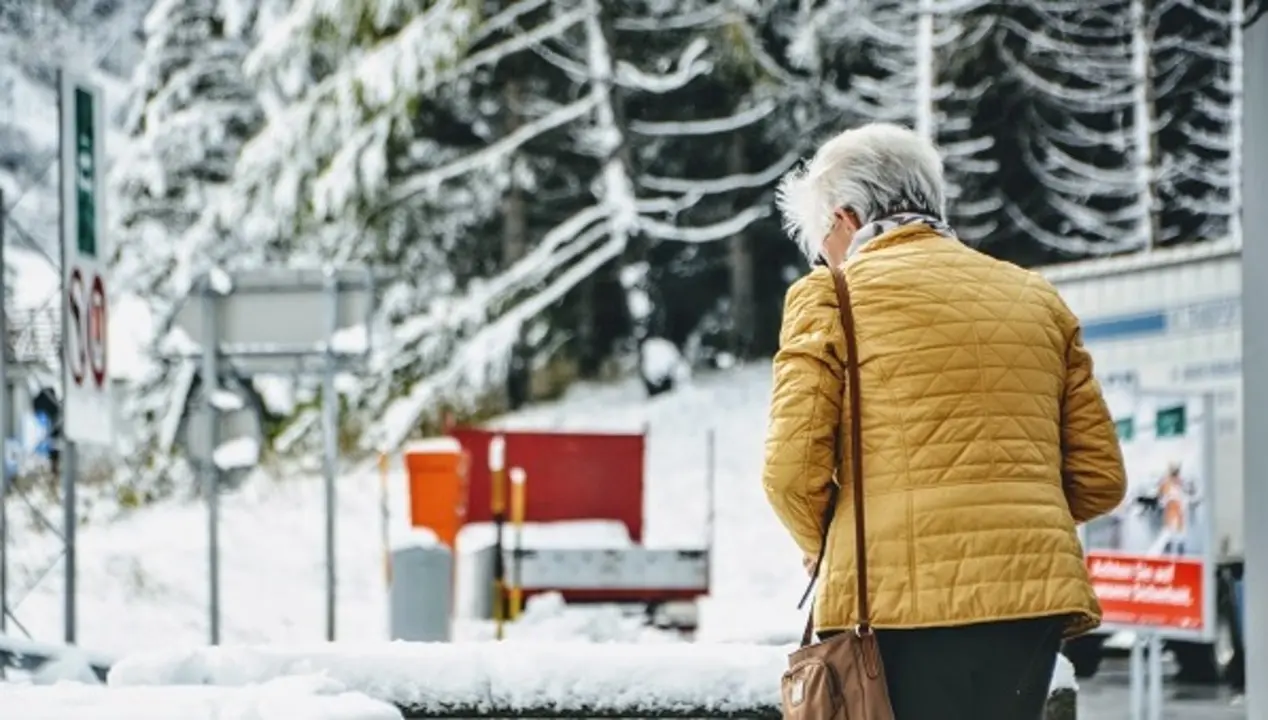
Research shows that older adults face unique risks during extreme weather. Health conditions, mobility challenges, and reliance on care services make them more susceptible to heatwaves, flooding, and power outages. However, importantly, older people are not a homogeneous group—impacts vary by income, health, housing, and rurality.
Changes to healthy ageing opportunities
As a way of understanding the impacts of climate change upon older Scottish people’s capacity to experience healthy ageing, we used the Five Pillars of Ageing Well (see also Take Five to Age Well). These are Move, Eat, Drink, Think, and Connect and Engage. We also looked at the impacts upon emotional wellbeing and sleep. In summary, climate change is expected to affect the following:
- Move: extreme weather may reduce safe outdoor activity, increasing isolation, and may impact people’s mobility
- Eat: disrupted food systems and rising prices will change access to food
- Drink: heatwaves raise dehydration risk, especially for older adults with reduced thirst perception
- Connect and engage: storms and power cuts interrupt social networks, increasing loneliness
- Think: heat and eco-distress affect cognitive health and sleep quality alongside disrupted routines reducing opportunities for activities that stimulate our brain
 To understand some of the ways that these issues are interconnected, and what we can do to support older adults, we recommend visiting the Healthy Ageing in a Changing Climate Report.
Emotional wellbeing and eco-distress
Climate change doesn’t just impact physical health; it can affect mental health too. Many older people experience eco-distress, a normal response of anxiety, grief, and uncertainty about the future. However, the good news is that research shows that community involvement and climate action can reduce anxiety, increase feelings of being socially connected, and can build both individual and community resilience.
What can we do?
While the topic of climate change can feel quite overwhelming or complex, there are a few things that you can do to support yourself and your community. The British Medical Journal suggests the following actions that we could all take:
- participate in local community activities on climate change to help reduce anxiety and improve social connectedness and resilience. See for example the u3a Climate Matters group and the work they do.
- reduce excessive exposure to media about climate disasters, seek out positive climate-related stories.
- make positive personal choices that have benefits for both you and the planet, such as biking or walking instead of driving and eating more plant-based foods. See, for example, V for Life’s website on ideas for people aged 50 and over.
- participate in collective action focused on solutions to the climate crisis, adaptation, and changing systems, which can promote agency, meaning, and purpose. Climate related activism (participating to raise awareness or make change) is often intergenerational, and older people play a key role in already.
- increase opportunities for to connect socially with others, and increase your exposure to nature.
Being prepared for different situations is also a great idea. Practical advice is available from Age Scotland and NHS Inform on staying safe during power cuts and extreme weather, flooding, hot weather, and cold spells.