Important ways to support older people during cold weather

For many older people the icy temperatures and snowy conditions affecting vast swathes of Scotland can have serious consequences beyond just enduring a chilly spell of weather.
Older people who struggle to heat their homes comfortably, face difficulty in getting out to the shops or picking up prescriptions, have issues with mobility and a fear of falling on slippery pavements are in real danger of becoming unwell and isolated and could need extra support during prolonged cold weather.
The first and best thing people can do is check in with older neighbours, friends and family members. Pop round, if possible, to get a sense of how warm their home is, check they are dressed warmly and they have food to make hot meals so they don’t go hungry.
Older people are sometimes reluctant to ask for help, so proactively making sure they’ve got the heating on or offering to get shopping or pick up medications can be a good way of meeting their needs.
Sometimes just knowing that there’s someone nearby they can turn to it they need help can really reassure and help an older person.
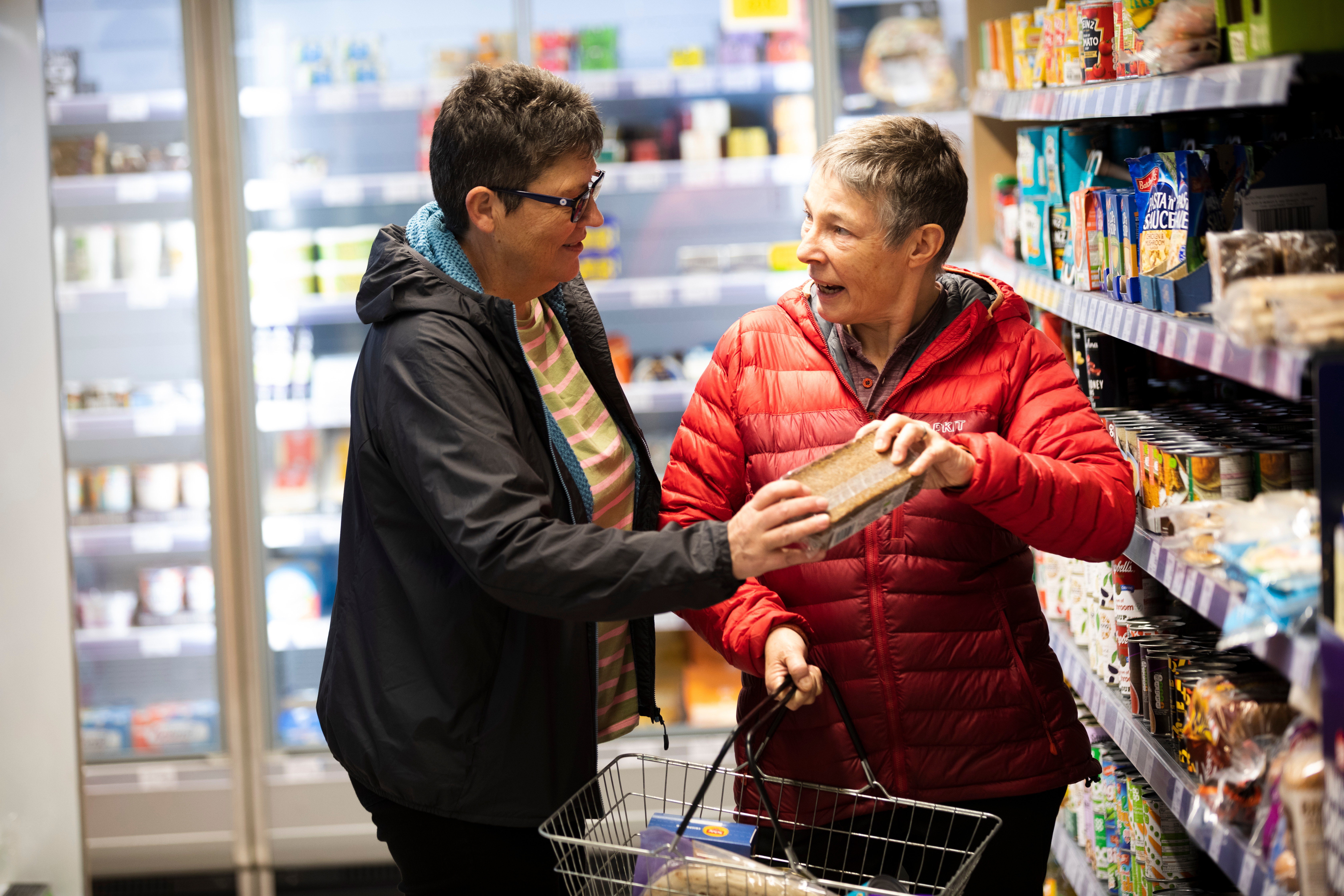 If you're out clearing and gritting your own path for instance, also doing so for that older neighbour could make a world of difference, giving them the confidence to go out if they need and not feel trapped at home.
The fear of falling, and requiring medical treatment, is greater during icy spells. Understandably many older people would prefer not to venture outside when paths and pavements are treacherous, so having neighbours, friends or family bring round shopping can reduce the need for unnecessary and potentially risky trips.
Find out more about how to avoid falls and slips in our Keeping Your Feet In Later Life guide
We also know that this winter more than half of pensioners in Scotland are living in fuel poverty and heating their home is a real challenge. Rising energy bills have had a huge impact on many older people’s incomes but turning off the heat, as some have told us they do to save money, can have serious health consequences, including higher risk of heart attacks or stroke, respiratory illnesses and depression.
For those struggling, it is important to try to stay warm in the room or place they spend most of their time and wear plenty of layered clothing to keep themselves warm. For living areas, it is recommended not to let the temperature drop below 18 degrees, and ideally it should sit between 18 and 21 degrees. Hot drink and food and keeping moving are also vital for good circulation and keeping muscles active.
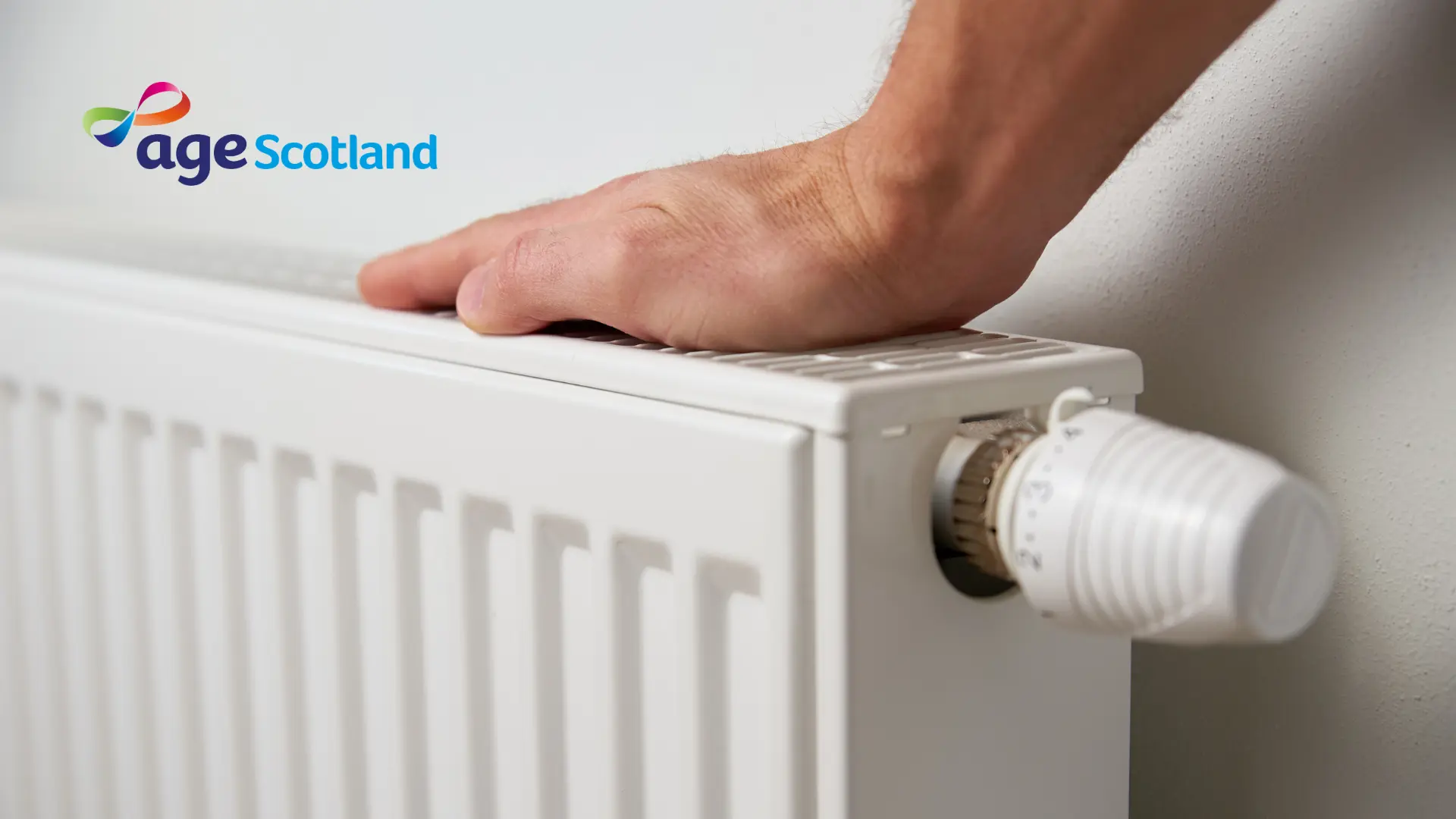 Find out more about how to keep your home cosy over winter in our Warm and Well guide
Anyone struggling with energy bills can call Age Scotland’s free helpline on 0800 12 44 222 and request a benefits check.
So if there’s an older person on your street or an older friend you haven’t spoken to in a while, now would be a good time to reach out and see how the smallest act of kindness can make the biggest difference.